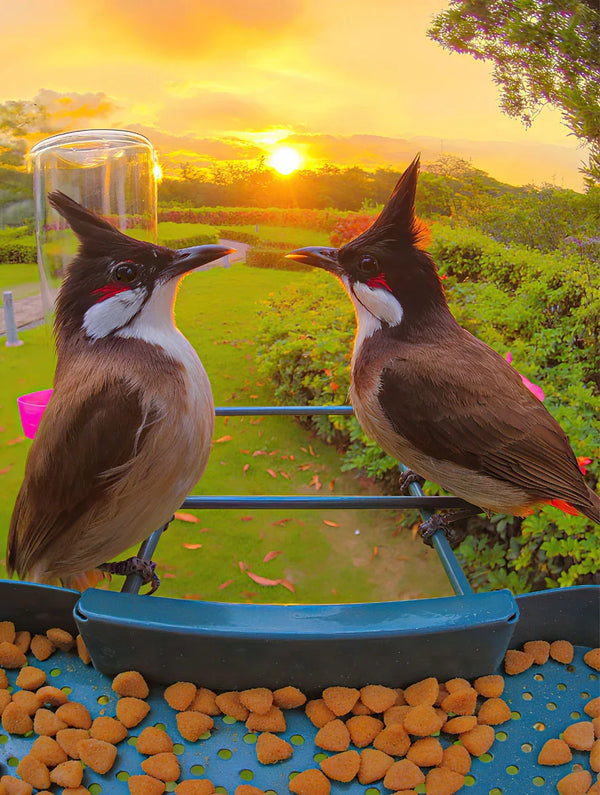
Transform Your Backyard: Discover the Hidden Perks of In-Ground Bird Feeders!
In recent years, in-ground bird feeders have surged in popularity among birdwatchers and outdoor enthusiasts alike. These innovative feeders offer a unique approach to attracting our feathered friends while enhancing the beauty of our gardens. The convenience they providebeing less prone to tipping over in windy conditionsalong with their aesthetic appeal, makes them an attractive choice for any backyard. Moreover, in-ground feeders can attract a wider variety of birds, adding to the joy of watching them flit around your space. In this article, we will explore not only the numerous benefits of in-ground bird feeders but also provide helpful tips for installation and maintenance, ensuring that your garden becomes a haven for birds.
The Benefits of In-Ground Bird Feeders
In-ground bird feeders come with a plethora of benefits that make them stand out from traditional hanging feeders. Firstly, their stability is a major advantage; being anchored in the ground means they are less vulnerable to strong winds and adverse weather conditions. This stability ensures a consistent feeding area for birds, which helps them feel secure while dining. Additionally, in-ground feeders are designed to be easily accessible for birds, reducing the risk of them getting hurt or trappeda common concern with some hanging models.
Another notable benefit is the reduction of pest problems. Because in-ground feeders often have enclosed designs or are placed directly on the ground, they are less likely to attract unwanted animals like squirrels or raccoons that can raid more traditional bird feeders. This not only keeps the feeding area cleaner but also allows for a more peaceful feeding environment for the birds.
Beyond their functional advantages, in-ground bird feeders can enhance the visual appeal of your outdoor spaces. They can blend seamlessly into your garden landscape, allowing birds to feed amidst flowers and plants, which can create a picturesque scene for homeowners and visitors alike. Furthermore, by providing a reliable food source, these feeders contribute to local biodiversity, supporting various bird species that may not have access to other feeding options.
Encouraging a Diverse Bird Population
One of the most exciting aspects of in-ground bird feeders is their ability to attract a diverse range of bird species. Unlike traditional feeders, which may only appeal to certain birds, in-ground feeders can offer a variety of seeds and food options that cater to different tastes. For instance, using a mix of seeds like sunflower, safflower, and millet can entice ground-feeding birds such as sparrows, doves, and even some finches.
Moreover, adding fresh fruits or mealworms can attract insectivorous birds like robins and bluebirds, expanding your backyard's avian population. To maximize bird visits, consider observing which species frequent your garden and adjust your food offerings accordingly. A friend of mine, an avid birdwatcher, once shared a delightful experience of attracting a rare species simply by experimenting with different seeds, highlighting the importance of variety in your bird feeding strategy.
Installation Tips for In-Ground Bird Feeders
Installing an in-ground bird feeder can be a straightforward process if you follow a few steps. First, select the right location for your feeder. Ideally, it should be placed in a quiet area of your yard, away from heavy foot traffic, yet close enough for you to enjoy watching the birds. Look for a spot that provides some natural cover, such as shrubs or trees, which can help birds feel safe while feeding.
Once youve chosen the location, prepare the ground by clearing away any debris, rocks, or grass that might obstruct the feeder. Dig a hole that is deep enough to securely place the feeder, ensuring it is stable. Most in-ground feeders come with a stake or pole that should be driven into the ground firmly to prevent tipping.
Consider sun exposure when placing your feeder; while birds enjoy sunshine, too much direct sunlight can dry out the food quickly. A semi-shaded area often works best, as it helps keep the food fresh longer. After installation, monitor the feeders position and stability, making any necessary adjustments to ensure it remains secure and functional.
Maintenance and Care
To keep your in-ground bird feeder in top shape, regular maintenance is key. Make it a habit to clean the feeder at least once every few weeks, especially during wet weather, to prevent mold and bacteria build-up. A simple mixture of warm water and mild soap can work wondersjust be sure to rinse thoroughly to remove any soap residue.
Seasonal adjustments can also enhance the effectiveness of your feeder. For instance, during the winter months, consider using high-energy foods such as suet or fat balls to provide extra nourishment to birds facing harsher conditions. Additionally, store birdseed in a cool, dry place to maintain freshness and prevent spoilage, ensuring that your feathered friends always have access to nutritious food.
Creating a Vibrant Feeding Environment
In-ground bird feeders offer a unique combination of benefits, from attracting a diverse array of bird species to enhancing the beauty of your garden. By following the installation and maintenance tips outlined in this article, you can create a delightful feeding space that not only supports local wildlife but also transforms your backyard into a vibrant hub of activity. So why not consider adding an in-ground bird feeder to your outdoor space? Its a rewarding way to connect with nature and enjoy the simple pleasure of watching birds thrive in your garden.