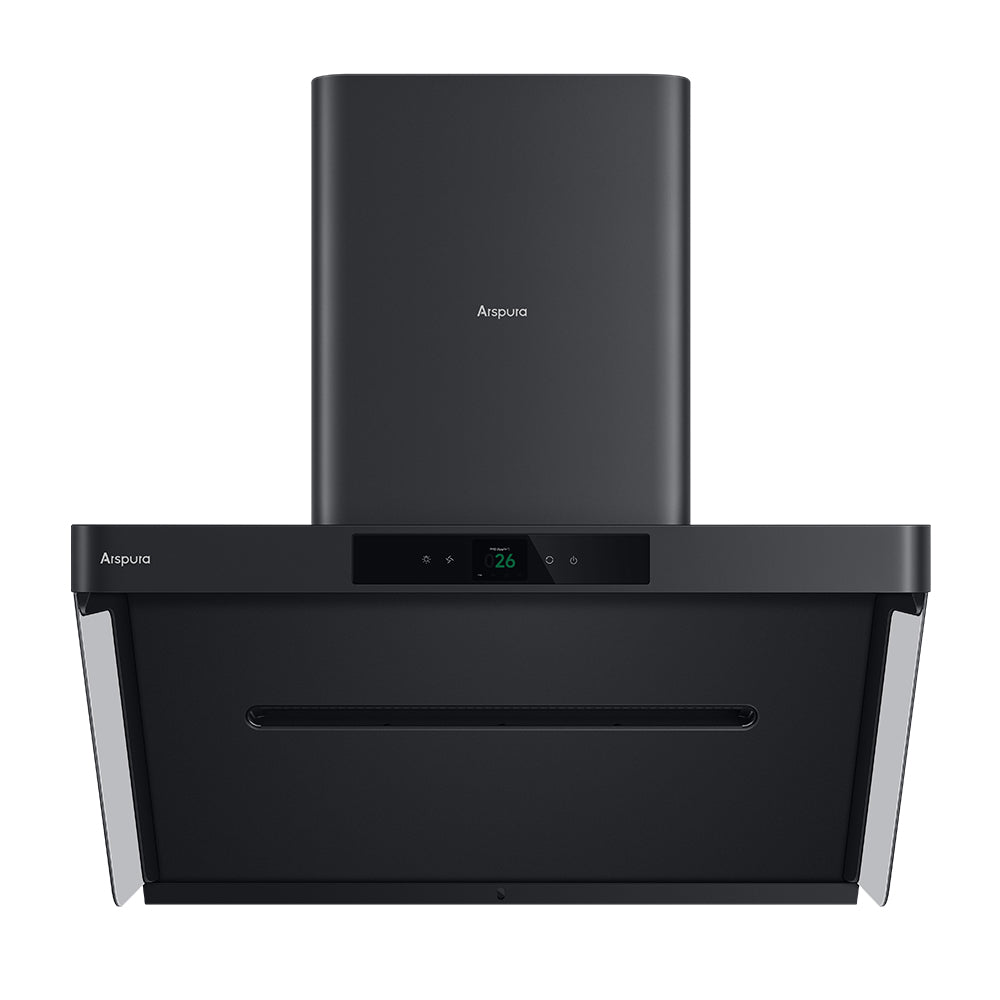
Unlock the Secrets to Perfect Kitchen Hood Height for Ultimate Cooking Bliss!
When it comes to creating a delightful cooking environment, few elements are as crucial as the kitchen hood. The height at which it is installed can significantly impact both cooking performance and safety. A hood that is too high may not effectively capture smoke, steam, and odors, while one that is too low can obstruct your cooking space and pose a hazard. This article aims to provide clear guidelines on achieving the perfect kitchen hood height for your cooking area. By understanding the best practices and recommendations, you can ensure a more enjoyable and efficient cooking experience.
Understanding Kitchen Hoods and Their Function
Kitchen hoods, also known as range hoods or exhaust hoods, play a vital role in maintaining air quality in your kitchen. They are designed to ventilate cooking fumes, smoke, and heat away from your cooking area, thereby enhancing both comfort and safety. There are various types of kitchen hoods, including wall-mounted, under-cabinet, and island hoods, each serving different kitchen layouts and aesthetic preferences. The effectiveness of these hoods largely depends on their height; if installed too high, they may fail to perform their primary function of capturing airborne contaminants. Understanding the importance of proper height is essential for anyone looking to optimize their kitchen ventilation.
Recommended Heights for Different Cooking Appliances
The recommended height for kitchen hoods varies depending on the type of cooking appliance you have. For gas stoves, the general guideline suggests a height of 24 to 30 inches above the cooking surface. This range allows for optimal suction of smoke and steam, ensuring a clean cooking environment. On the other hand, electric stoves can typically be installed slightly higher, around 30 to 36 inches, as they produce less heat and fewer fumes. However, personal experiences may vary; I once visited a friend's home where they installed their hood at 28 inches over a gas stove. The difference in air quality was noticeableand it made cooking far more enjoyable! Understanding these nuances can help you select the right height for your specific setup.
Factors to Consider When Installing a Kitchen Hood
Installing a kitchen hood at the correct height is not just about following general recommendations; several factors come into play. First, consider your ceiling height. In kitchens with higher ceilings, you may need to adjust the hood height accordingly to ensure effective ventilation. Second, the layout of your kitchen can impact how far the hood should be from the stove. For instance, an L-shaped kitchen may require a different installation strategy compared to a galley-style kitchen. Additionally, the type of cooking you do matters; if you frequently prepare dishes that generate a lot of smoke and steam, you might need to install the hood closer to the cooking surface. Customization based on your kitchens unique characteristics will lead to the best results.
Common Mistakes to Avoid in Kitchen Hood Installation
Many homeowners make common mistakes when it comes to kitchen hood installation, particularly regarding height. One prevalent error is installing the hood too high, resulting in poor performance and inadequate ventilation. This was a mistake that my cousin made; their hood was placed at 36 inches above their gas stove, and they often complained about lingering odors and smoke in their kitchen. Another mistake is failing to consider the kitchen layout, leading to a hood that is inefficient at capturing fumes. When installing a kitchen hood, always refer to the manufacturers instructions and consider consulting a professional if youre uncertain about the best height for your specific situation. Avoiding these pitfalls will ensure that your kitchen hood functions effectively and keeps your cooking space comfortable.
Final Thoughts on Kitchen Hood Height
In conclusion, the height of your kitchen hood plays a crucial role in ensuring optimal cooking performance and safety. By understanding the recommended heights for different cooking appliances, considering various factors during installation, and avoiding common mistakes, you can create a more enjoyable cooking environment. I encourage you to assess your current kitchen setup and make any necessary adjustments to your hood height. After all, a well-placed kitchen hood not only enhances air quality but also contributes to a blissful cooking experience.