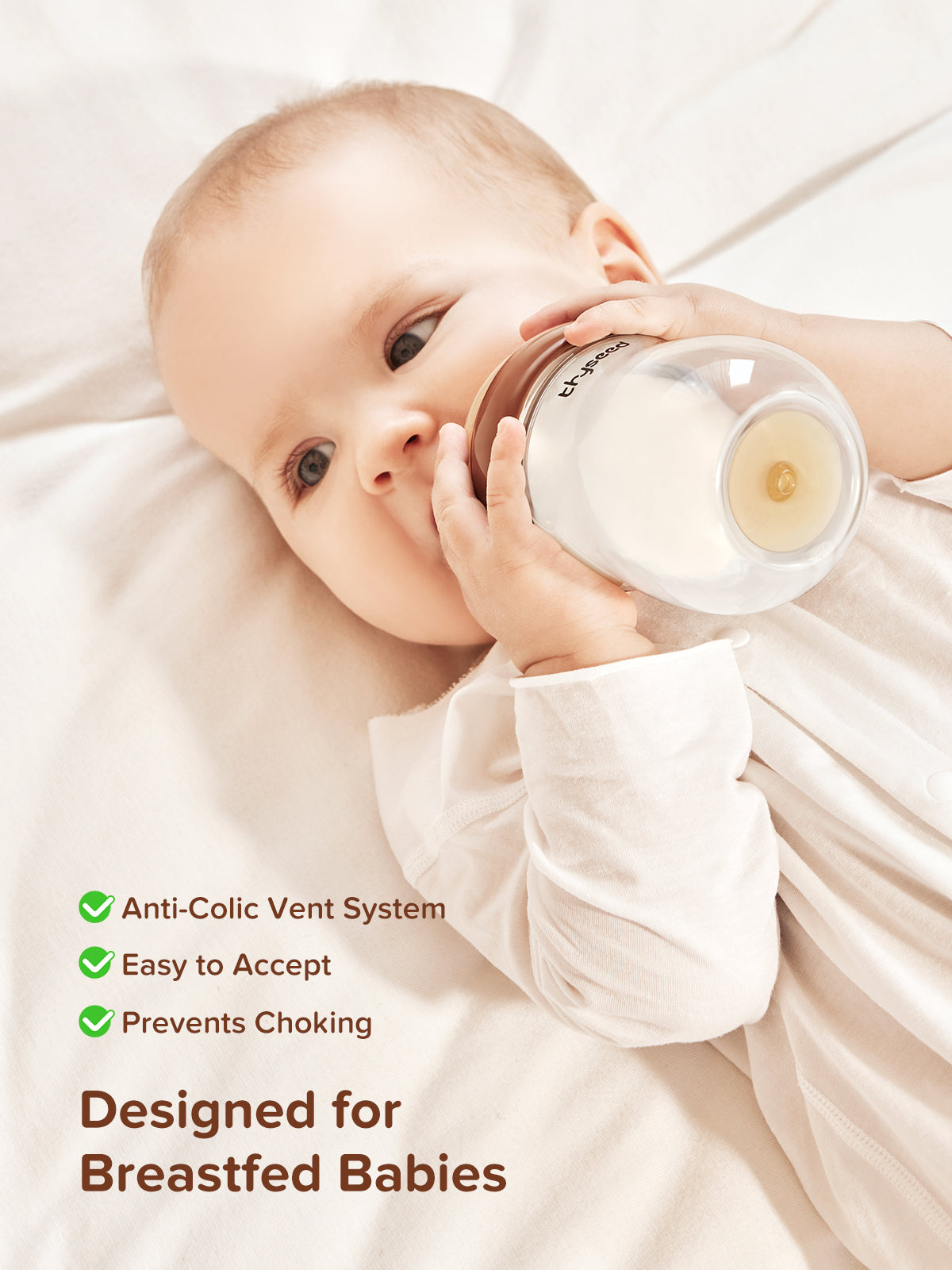
Unveiling the Best Choices: The Ultimate Guide to Baby Bottles That Every Parent Needs!
Choosing the right baby bottle for your infant is a crucial decision that can significantly impact their feeding experience. With so many options available, parents often find themselves caught in a debate about whether to choose glass or plastic bottles. This choice is not just about aesthetics; it involves important considerations regarding safety, health, and practicality. As more parents become environmentally conscious, the conversation surrounding the benefits and drawbacks of glass versus plastic bottles is gaining momentum. In this comprehensive guide, we will explore the features, advantages, and disadvantages of both types of bottles, helping you make an informed choice that aligns with your lifestyle and values.
Understanding Glass and Plastic Baby Bottles
Glass and plastic baby bottles serve the same essential purposefeeding your babybut they are made from different materials, which can influence their characteristics and usability. Glass bottles are typically made from high-quality, tempered glass that is designed to withstand heat and pressure. They are known for their sturdiness and can last for years if taken care of properly. On the other hand, plastic bottles are often made from various types of BPA-free plastics, making them lightweight and shatter-resistant. Both types of bottles have gained popularity among parents for different reasons. While glass bottles are often associated with premium quality and safety, plastic bottles appeal due to their convenience and affordability. As we delve deeper into the benefits of each, youll discover which option may be best for your family.
Benefits of Glass Baby Bottles
Glass baby bottles come with a plethora of advantages that many parents find appealing. One of the most significant benefits is safety; glass bottles are free from harmful chemicals like BPA, which can leach into liquids and pose health risks to infants. Additionally, glass is non-porous, meaning it doesnt retain odors or stains, making cleaning a breeze. Parents often appreciate that glass bottles are durable and can withstand the rigors of daily use. They are also microwave and dishwasher safe, further simplifying the cleaning process. A friend of mine, who opted for glass bottles for her baby, shared how she loved the pure taste of milk without the risk of chemicals. Furthermore, glass bottles can be more environmentally friendly in the long run, as they can be reused and recycled more efficiently compared to their plastic counterparts.
Benefits of Plastic Baby Bottles
Plastic baby bottles offer their own set of compelling benefits that make them a favorite among many parents. One of their most notable features is their lightweight nature, which makes them easy to hold, especially for little hands. Many parents appreciate that plastic bottles are shatter-resistant, offering peace of mind during the inevitable drops and tumbles that come with infant feeding. Furthermore, plastic bottles are often more affordable than glass, allowing parents to stock up without breaking the bank. They come in a wide variety of designs and colors, which can be a fun aspect for parents looking to personalize their baby's feeding experience. A close friend of mine chose colorful plastic bottles for her baby, finding them more appealing and easier to manage during outings. Additionally, many plastic bottles are designed with diverse nipple shapes and flow rates to cater to different feeding styles.
Comparative Analysis: Glass vs. Plastic
When comparing glass and plastic baby bottles, several factors come into play, including safety, environmental impact, cost, and usability. In terms of safety, glass stands out due to its absence of harmful chemicals, while modern plastic bottles are often BPA-free, addressing past concerns. From an environmental perspective, glass bottles can be recycled indefinitely, while plastic bottles contribute to landfill waste unless recycled properly. Cost-wise, plastic bottles typically have the upper hand, being more budget-friendly. However, glass bottles offer durability that can lead to savings over time since they can last for years. Usability is another critical factor; plastic bottles are lightweight and shatterproof, ideal for on-the-go parents, while glass bottles provide a more premium feel and are easier to clean due to their non-porous nature. Each type has its pros and cons, making the decision highly personal.
Making an Informed Decision
Deciding between glass and plastic baby bottles ultimately comes down to your family's lifestyle and values. If you prioritize safety and environmental concerns and are willing to invest in a more expensive option, glass bottles may be the right choice for you. On the other hand, if you prefer convenience, affordability, and a lightweight option for outings, plastic bottles might better suit your needs. Consider your feeding habits, storage options, and how you plan to use the bottles. For instance, if youre frequently traveling, the shatter-resistant nature of plastic might be more practical. Reflecting on personal experiences, my friend mentioned that her choice depended largely on convenience during quick trips to the park. By weighing these considerations, you can make a thoughtful decision that aligns with your family dynamics.
Summarizing the Choices
In summary, both glass and plastic baby bottles have unique advantages that cater to different parental needs. Glass bottles offer safety, durability, and environmental benefits, while plastic bottles provide affordability, convenience, and a lightweight design. As you navigate through the important choice of selecting the right baby bottle, its crucial to reflect on your familys individual needs and values. By considering all aspects discussed in this guide, you can make an informed decision that ensures a positive feeding experience for your infant. Ultimately, the best bottle is one that fits seamlessly into your lifestyle while prioritizing your baby's health and safety.