Unlocking the Secrets of Metal Panels: Discover What Shapes Our World!
Metal panels have become a cornerstone of modern construction and manufacturing, playing an essential role in shaping our environments and infrastructure. Known for their versatility, durability, and aesthetic appeal, these panels serve multiple purposes ranging from structural support to decorative facades. As cities grow and evolve, the demand for efficient, sustainable, and visually appealing building materials has never been greater. In this article, we will delve into the various processes, materials, and types of metal panels, uncovering the secrets that make them a preferred choice for architects, builders, and metal panel manufacturers alike.
The Importance of Metal Panels in Construction
Metal panels are integral to architectural design and structural integrity, offering a range of benefits that make them ideal for modern buildings. One of the standout features of metal panels is their weather resistance. Unlike traditional materials, metal does not warp, rot, or degrade under the influence of elements like rain, snow, or intense sunlight, making it a reliable choice for exterior applications. Additionally, metal panels contribute to energy efficiency by reflecting sunlight and reducing heat absorption, leading to lower cooling costs in warmer climates. A friend of mine, who recently renovated his home, opted for metal siding. He noted that not only did it enhance the aesthetic appeal of his house, but it also dramatically reduced his energy bills during the summer months.
Moreover, metal panels are cost-effective in the long run. While the initial investment may be higher compared to materials like wood or vinyl, their longevity and low maintenance requirements make them a financially smart choice. They are available in a variety of finishes and colors, easily complementing any architectural style. This versatility allows architects and builders to unleash their creativity while ensuring durability and performance, ultimately creating structures that stand the test of time.
Materials Used in Metal Panel Manufacturing
The choice of materials plays a crucial role in metal panel manufacturing, with each type offering distinct properties that cater to different needs. Aluminum is one of the most popular materials due to its lightweight nature, corrosion resistance, and ability to be easily shaped and molded. This makes it ideal for various applications, from roofing to decorative wall panels. A colleague shared her experience of using aluminum panels for a commercial building project, emphasizing how their lightweight nature simplified installation without compromising structural integrity.
Steel, on the other hand, is renowned for its strength and durability. Galvanized and stainless steel panels are commonly used in industrial settings and commercial buildings, where structural support and longevity are paramount. Steel panels can endure harsh conditions, making them suitable for a range of applications, including warehouses and manufacturing facilities.
Copper is another noteworthy material, celebrated for its unique aesthetic and natural patina that develops over time. While often used in historical restorations or high-end applications, copper panels provide a blend of beauty and durability. Each of these materials has its own set of advantages, making them suitable for different projects, whether for residential homes, commercial buildings, or industrial facilities.
Manufacturing Processes of Metal Panels
Understanding the manufacturing processes behind metal panels is essential for appreciating their quality and performance. One common method is extrusion, which involves forcing heated metal through a shaped die to create long profiles. This process is particularly useful for producing aluminum panels, allowing for intricate designs and uniform shapes. My friend who works in a metal fabrication shop often shares how extrusion enables them to create custom designs that fit specific architectural requirements.
Stamping is another prevalent method where sheets of metal are cut and shaped using a die. This technique is often employed for creating detailed patterns and textures on metal panels, enhancing their visual appeal. Roll forming, on the other hand, involves continuously feeding metal sheets through a series of rollers to create a desired profile. This method is efficient for producing long lengths of panels, making it suitable for large-scale construction projects.
Each of these manufacturing processes affects the final product's quality, including its strength, finish, and overall performance. Understanding these methods can help builders make informed decisions when selecting metal panels for their projects.
Types of Metal Panels
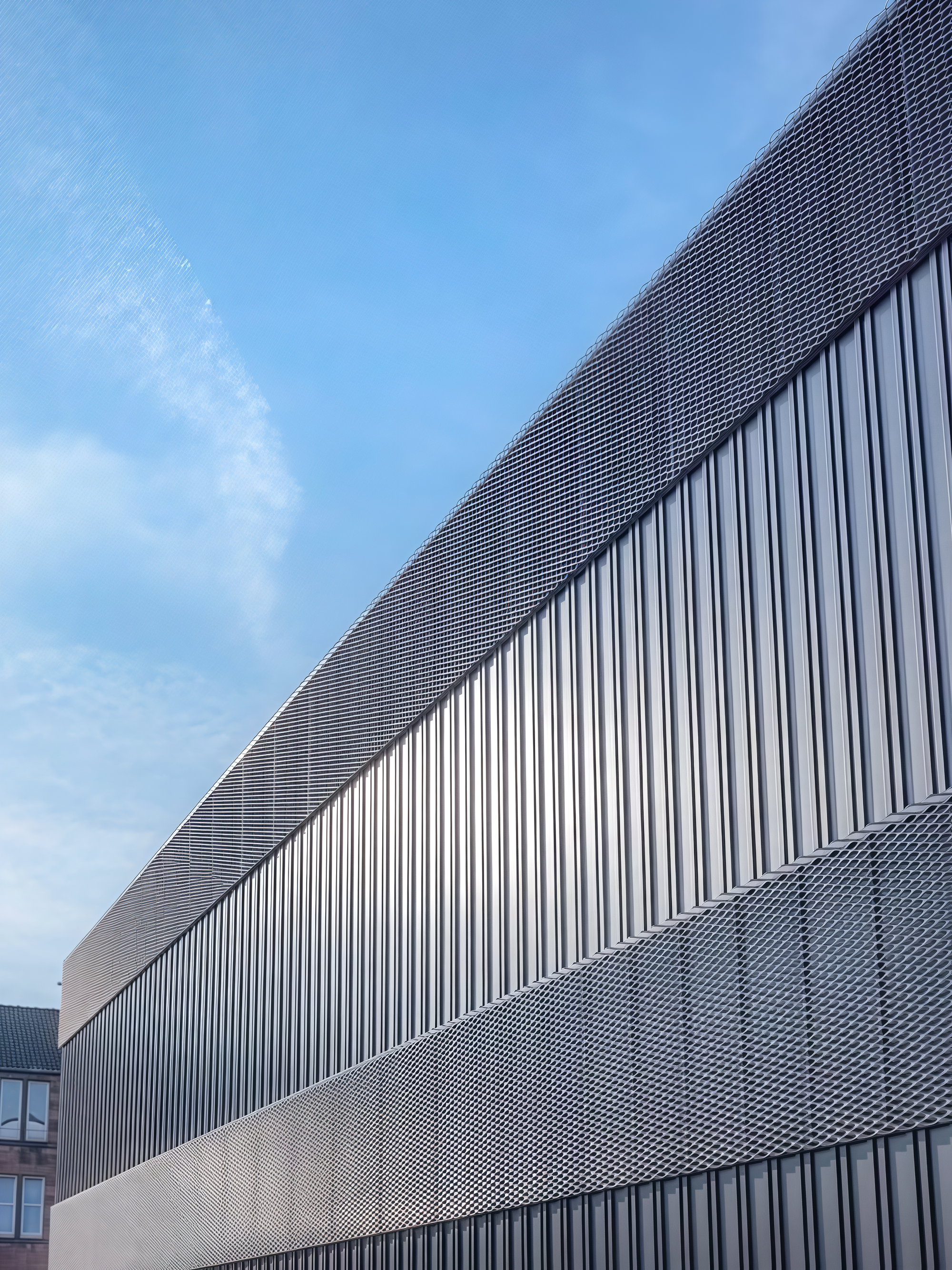
Metal panels come in various forms, each designed to meet specific needs in the construction industry. Corrugated panels, for instance, are characterized by their wavy pattern, providing excellent structural strength and rigidity. They are often used for roofing and siding applications, particularly in agricultural and industrial settings. Flat panels, on the other hand, offer a sleek and modern look, commonly found in commercial buildings and contemporary homes. Their clean lines and smooth surfaces create a minimalist aesthetic that many designers favor.
Composite panels, which consist of two outer metal sheets with an insulating core, are becoming increasingly popular for their energy efficiency and sound insulation properties. These panels are ideal for both exterior and interior applications, providing a balance of performance and design flexibility. As industries evolve, the demand for diverse types of metal panels continues to grow, with manufacturers constantly innovating to meet the needs of architects and builders.
Significance of Metal Panels in Construction
In conclusion, metal panels are a vital component of modern construction and manufacturing, bringing a wealth of benefits including durability, energy efficiency, and aesthetic versatility. By understanding the materials, manufacturing processes, and various types of metal panels available, builders and architects can make informed decisions that enhance their projects. As we continue to explore innovative building solutions, the role of metal panels will undoubtedly remain significant in shaping the future of our built environment.