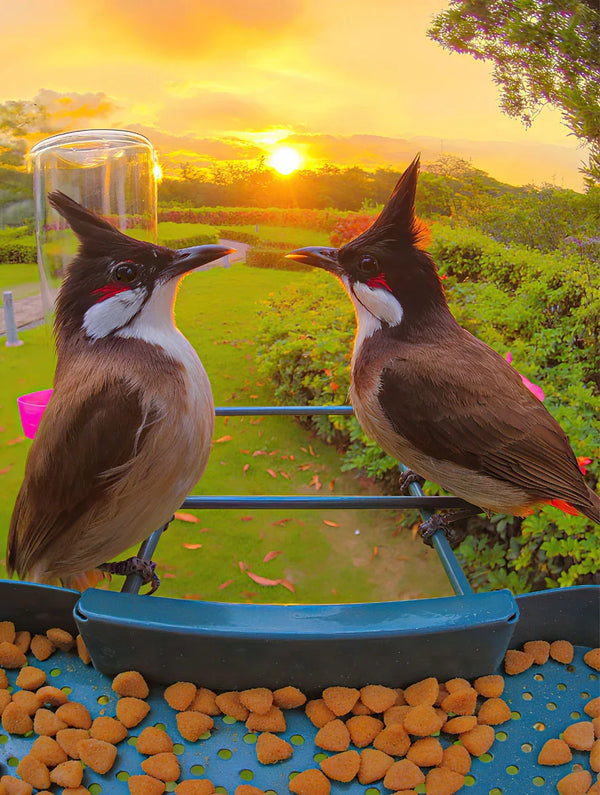
Unlock the Secrets to Attracting Feathered Friends to Your Garden!
Bird feeding is not just a hobby; it's a gateway to connecting with nature while supporting local wildlife. For many gardeners, the thrill of seeing a variety of birds flock to their yards is incredibly rewarding. These feathered friends bring life to our gardens, creating a vibrant ecosystem that benefits both the birds and the plants. The right bird feeders and food play a crucial role in this delightful process. By providing a reliable source of nourishment, you can invite an array of species to your space, transforming it into a lively sanctuary. Whether youre a seasoned bird watcher or just starting out, understanding how to attract birds with the right tools can deepen your appreciation for nature and enhance your gardening experience.
The Importance of Bird Feeding
Bird feeding serves multiple ecological and personal benefits. Firstly, it supports local wildlife, providing essential nutrition, especially during harsh weather conditions. Birds play a vital role in the ecosystem by aiding in pest control, pollination, and seed dispersal, which helps maintain a balanced environment. Personally, I've found that watching birds flit around my garden is a calming and fulfilling experience. It not only adds beauty to the landscape but also fosters a sense of connection to the natural world. Additionally, feeding birds can serve as a wonderful educational opportunity, especially for children, sparking curiosity about wildlife and the importance of environmental stewardship. Enhancing your garden with bird feeders can therefore be a small yet impactful step towards supporting biodiversity and enjoying the serenity that comes with observing these creatures.
Choosing the Right Feeders
When it comes to attracting birds, selecting the right feeder is crucial. There are various types of feeders available, each designed to cater to different bird species. Tube feeders are great for small seeds and appeal to finches and sparrows, while platform feeders offer space for larger birds like cardinals and jays. Suet feeders are particularly beneficial in colder months, providing high-energy food sources for woodpeckers and nuthatches. In my experience, having a variety of feeders allows for a more diverse bird population. Its fascinating to see how different birds prefer different feeding styles, and it can turn your garden into a bustling hub of activity.
Factors to Consider When Selecting Feeders
When choosing feeders, consider several key factors. Placement is vital; make sure feeders are situated where birds feel safe from predators, ideally near natural shelters like trees or shrubs. Durability is also important, as feeders should withstand the elements and be easy to clean to prevent mold and disease. Ive found that maintaining a clean feeding area not only helps the birds stay healthy but also makes the whole experience more enjoyable for me.
Types of Bird Food
The type of bird food you choose can significantly influence which birds visit your garden. Common options include sunflower seeds, millet, and peanuts, which attract a variety of species. Suet is another favorite, especially among insect-eating birds during the winter months. Nectar feeders, filled with a sugar-water solution, can draw in hummingbirds, adding a splash of color as they hover near flowers. My friend once shared how she transformed her garden into a hummingbird haven by simply adding a few nectar feeders, and she was rewarded with a stunning display of these agile birds. Understanding what food attracts which birds can help you curate a diverse bird-watching experience.
Seasonal Considerations for Bird Feeding
Seasons play a crucial role in determining the types of food needed. In spring and summer, birds require more protein-rich foods for feeding their young, while in fall and winter, high-energy foods become essential for survival. Adapting your feeding strategy as the seasons change can greatly enhance your success in attracting different species. For instance, providing mealworms in the spring can draw in nesting birds looking for protein-rich options.
Creating a Bird-Friendly Environment
To make your garden truly inviting for birds, consider enhancing the environment. Incorporating native plants can provide natural food sources and shelter, making your garden a safe haven. Adding a water source, like a birdbath or small pond, can attract birds looking for hydration. Additionally, creating sheltered spots with shrubs or trees offers protection from predators and harsh weather. I remember visiting a friends garden, which was a sanctuary for birds, thanks to her thoughtful planning. The combination of native plants, a small fountain, and well-placed feeders made it a paradise for various species, and it was incredible to witness the diversity of life it supported.
Summary of Bird Feeding Benefits
In summary, bird feeding is a fulfilling way to support local wildlife while enriching your gardening experience. By understanding the importance of the right feeders, food types, and creating a bird-friendly environment, you can attract a myriad of feathered friends to your garden. As you embark on this journey, remember that each small step you take contributes to a larger ecosystem and nurtures your connection with nature. So, gather your feeders, choose the best food, and create a welcoming space for birdsyour garden will thank you for it!